
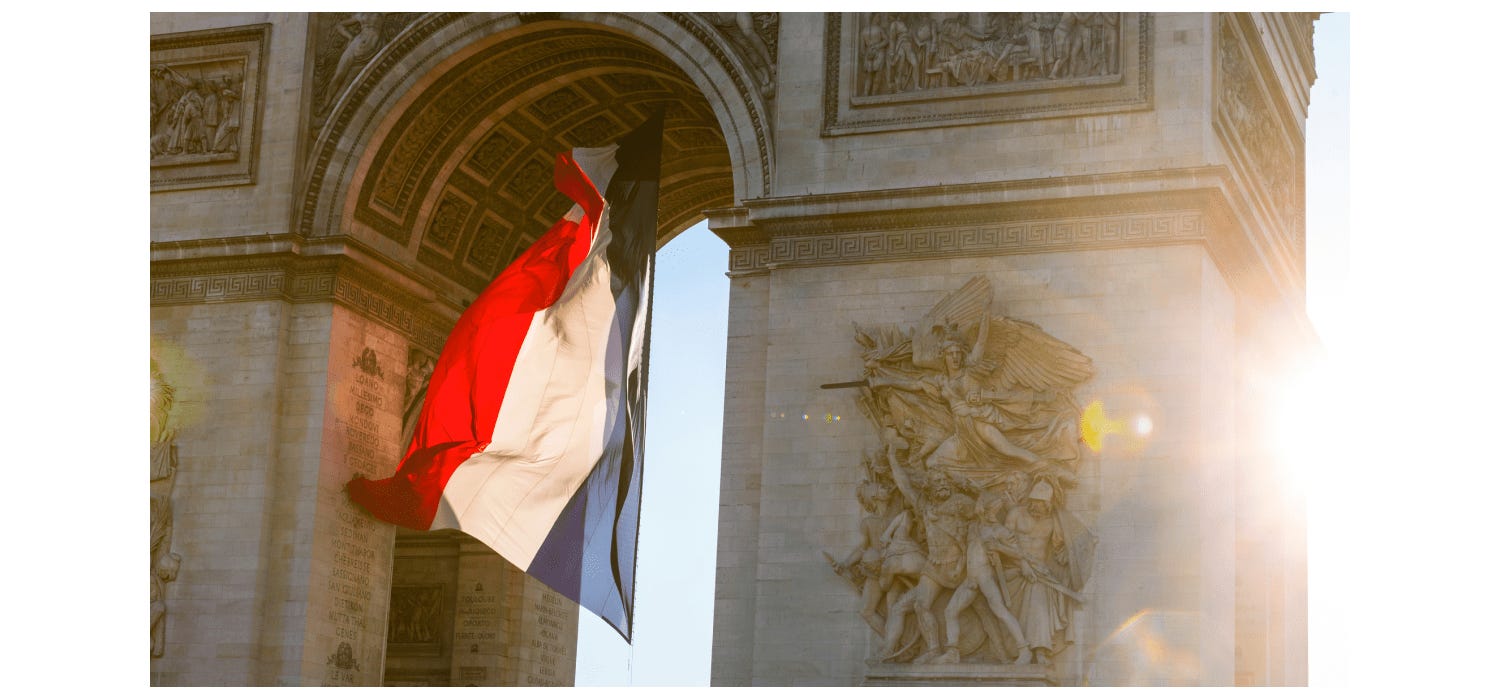
Today, Paris is draped in blue, white, and red. Fireworks will crack over the Seine tonight, jets will trail the tricolor overhead, and somewhere a crowd will sing “La Marseillaise” loud enough to rattle café windows. Bastille Day marks the storming of a prison on July 14, 1789, the spark that lit the French Revolution and, eventually, the modern idea that liberty belongs to the people, not just the powerful.
It felt like the right day to tell you what our team has been dreaming up for next spring: a trip called The Women of Paris, devoted to the women who took that same revolutionary spirit and applied it to art. They stormed a fortress of their own: a Paris art world that had very firm ideas about what a woman was allowed to make, wear, or become. What they did in response changed what art, and what a woman’s life, could look like.
Mary Cassatt and the Life She Painted Into Existence
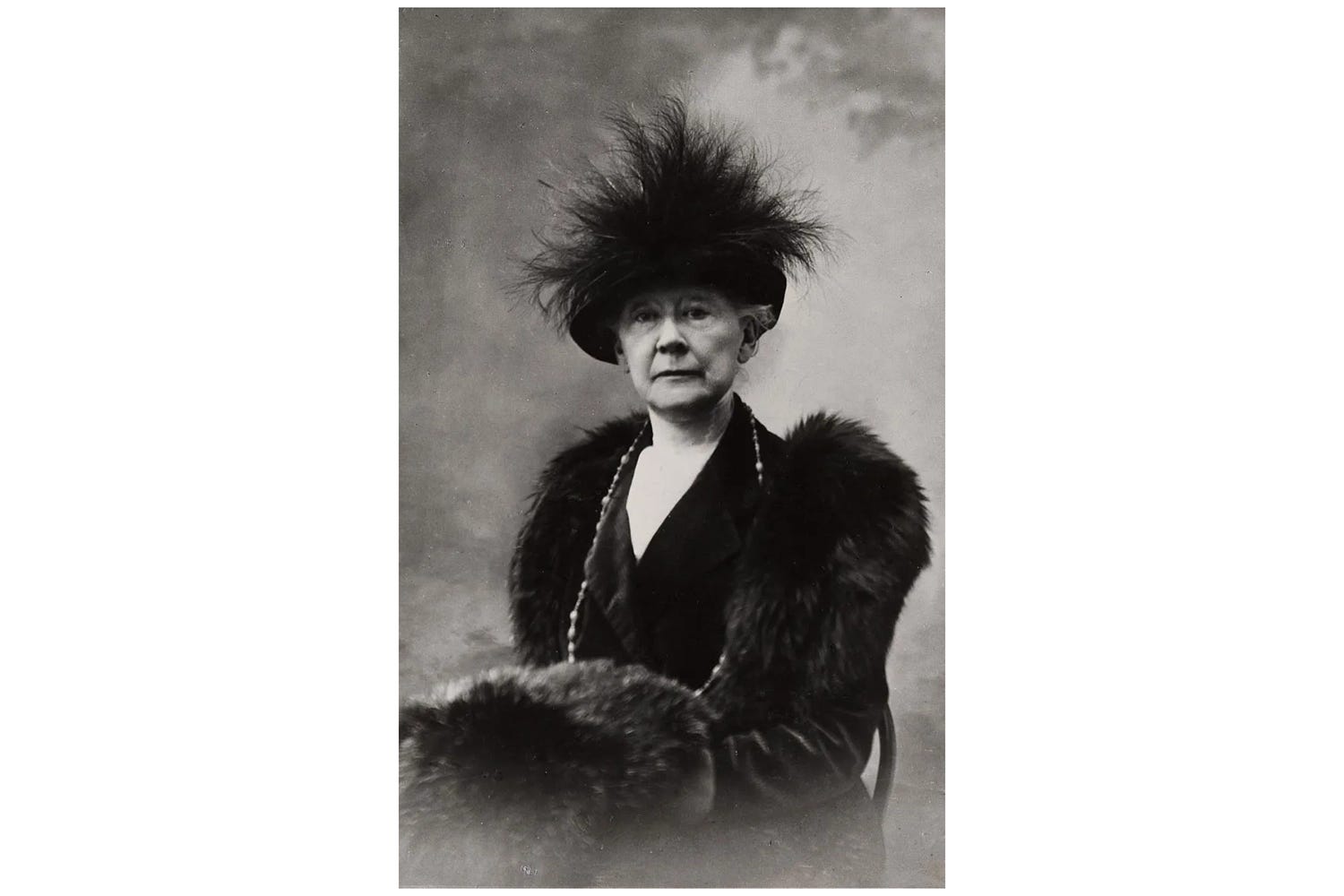
Mary Cassatt arrived in Paris from Pennsylvania in the 1870s and simply refused to leave, eventually spending more than sixty years in France. She found her way into the inner circle of the Impressionists after Edgar Degas spotted her work at the Salon and invited her to exhibit alongside Monet, Renoir, and Pissarro. She was the only American ever asked to join them.
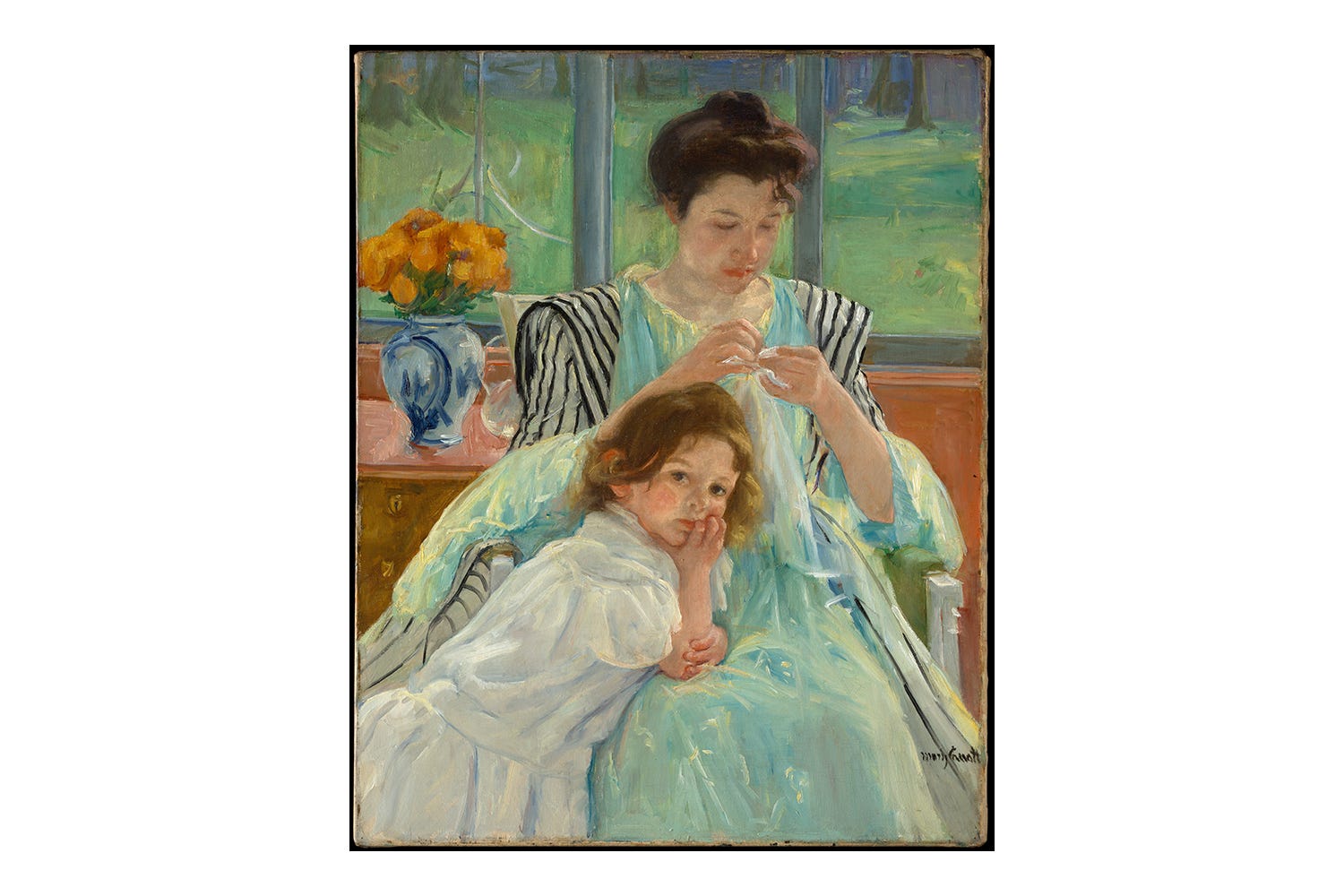
Cassatt painted what she knew: mothers bathing children, women reading newspapers, women absorbed in their own thoughts rather than posed for someone else’s gaze. Art historians point to these paintings as real arguments, made at the exact moment women were fighting for literacy, education, and the vote, about what women were capable of noticing and understanding. Cassatt decided early on that marriage and a serious art career didn’t mix, so she chose the career and built a body of work that changed how American collectors understood modern art. Later in life, she organized an exhibition with her friend Louisine Havemeyer specifically to benefit the suffrage movement.
Isadora Duncan and the Body Set Free
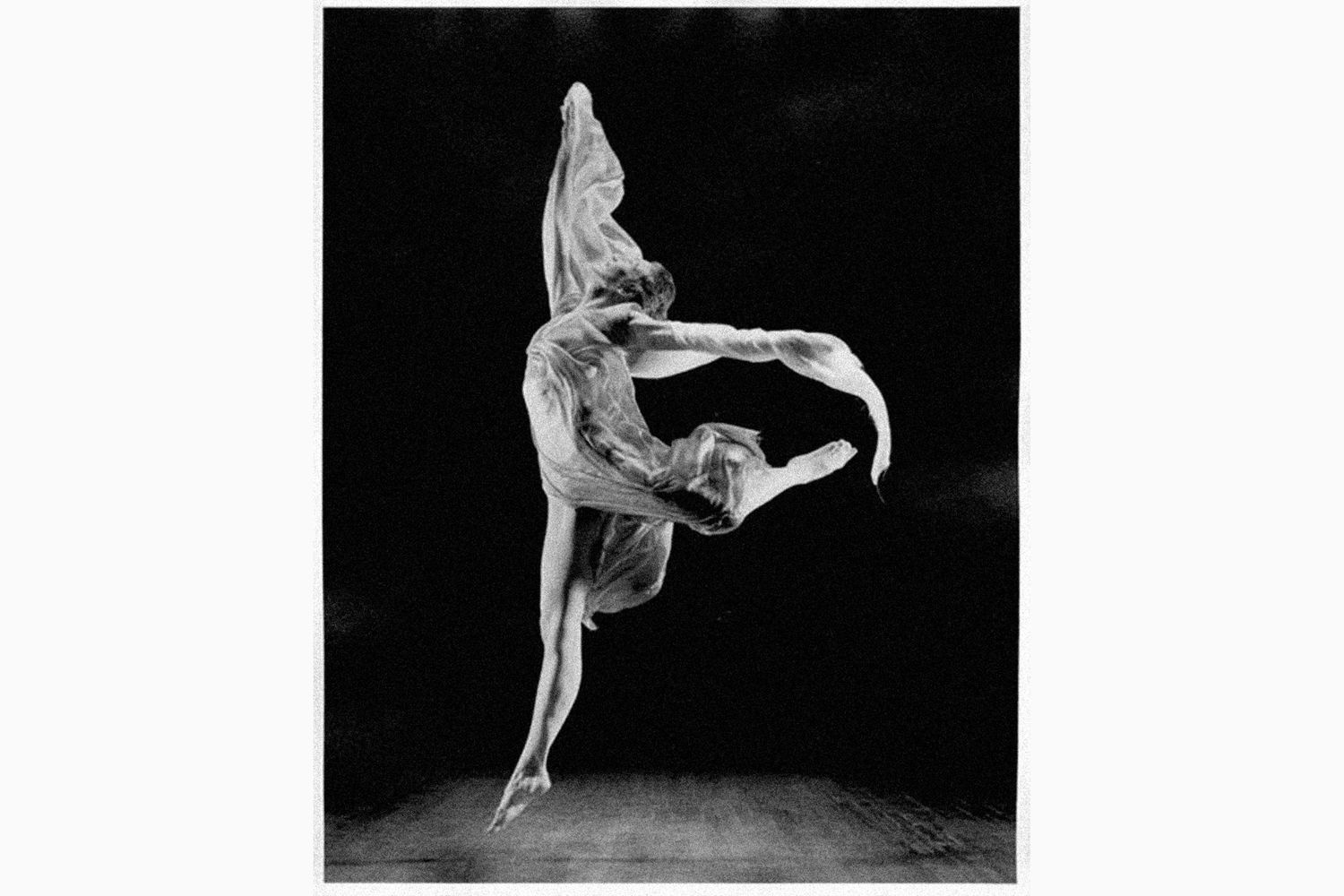
If Cassatt’s impact built over decades, Isadora Duncan’s arrived like a jolt. She landed in Paris around 1900, studied Greek vases at the Louvre with her brother, and decided that dance had been trapped in corsets and pointe shoes for far too long. She danced barefoot, in loose Grecian tunics, moving from the solar plexus instead of from rigid ballet positions. Critics were scandalized. Audiences couldn’t look away.
Duncan called herself a revolutionist, and she meant it in more than the artistic sense. She refused to marry the fathers of her children, waved a red scarf on an American stage while declaring her sympathies, and insisted that dance should express a woman’s own nature rather than perform for someone else’s pleasure. She’s remembered today as the mother of modern dance, the woman who freed dance from the constraints of classical ballet and handed the art form back its breath. Every barefoot modern dancer who came after her, from Martha Graham onward, is working in the space Duncan tore open.
Liberté, Égalité, and the Women Who Claimed Both
Bastille Day marks the moment an old order, one that had decided for centuries who got to hold power and who didn’t, cracked open. It became the seed of liberté, égalité, fraternité, the idea that rights and opportunity shouldn’t depend on who you were born as.
Cassatt and Duncan were doing exactly that work, in the arena they had access to. They walked into rooms, ateliers, and stages that weren’t built with them in mind, and they didn’t just occupy them, they redefined them. Cassatt’s paintings helped build the case that women had rich interior lives worth serious art, right as the fight for women’s suffrage and education was gaining ground. Duncan’s dancing insisted that a woman’s body belonged to her, not to a corset or a choreographer’s rulebook, and that insistence rippled outward into how generations thought about freedom of expression, on stage and off. This is the same expansion of rights and freedom that Bastille Day set in motion, carried out canvas by canvas and performance by performance, in Paris and then across the world.
They weren’t alone, either. Berthe Morisot was painting alongside the Impressionists in the same Paris salons, trading techniques and rivalries with Manet and Degas. Gertrude Stein was a few decades behind them, turning her apartment on the rue de Fleurus into the meeting point where Picasso, Matisse, and Hemingway came to argue about the future of art. Paris, it turns out, has been a city where women reroute the culture for well over a century.
Join Us Next Spring
We’re building an itinerary around these women for spring 2027: the ateliers, the salons, the museums that now hang what critics once dismissed. Details on dates and departures are coming soon. If you want to walk the same streets Cassatt and Duncan walked, and understand exactly what it cost and what it built, keep an eye on your inbox.
Happy Bastille Day, from all of us at Adventures in Art. Vive la liberté, and vive les femmes who insisted on their share of it.