
There is a particular kind of American story that keeps finding us on these trips, and it goes something like this: someone falls in love with a place, gets a little obsessed, and then spends the rest of their life (or their fortune, or both) trying to get other people to see it the way they do.
It happened to Frederic Church on the Hudson. It happened to Georgia O’Keeffe in the high desert outside Santa Fe. It happened to Alice Walton in the Ozarks, to a string of Detroit patrons who refused to let their city’s civic buildings be ordinary, and to the Charleston families who decided, generations ago, that their own front doors were worth preserving as art.
Over the last year, and the year ahead, Adventures in Art has traced this exact pattern across the country. Looking at Charleston, Detroit, Santa Fe, the Hudson Valley, and Crystal Bridges, the throughline became impossible to miss: American art history is not just a story of movements and manifestos. It is a story of people who looked at a specific place and could not leave it alone.
Charleston: when the architecture is the collection
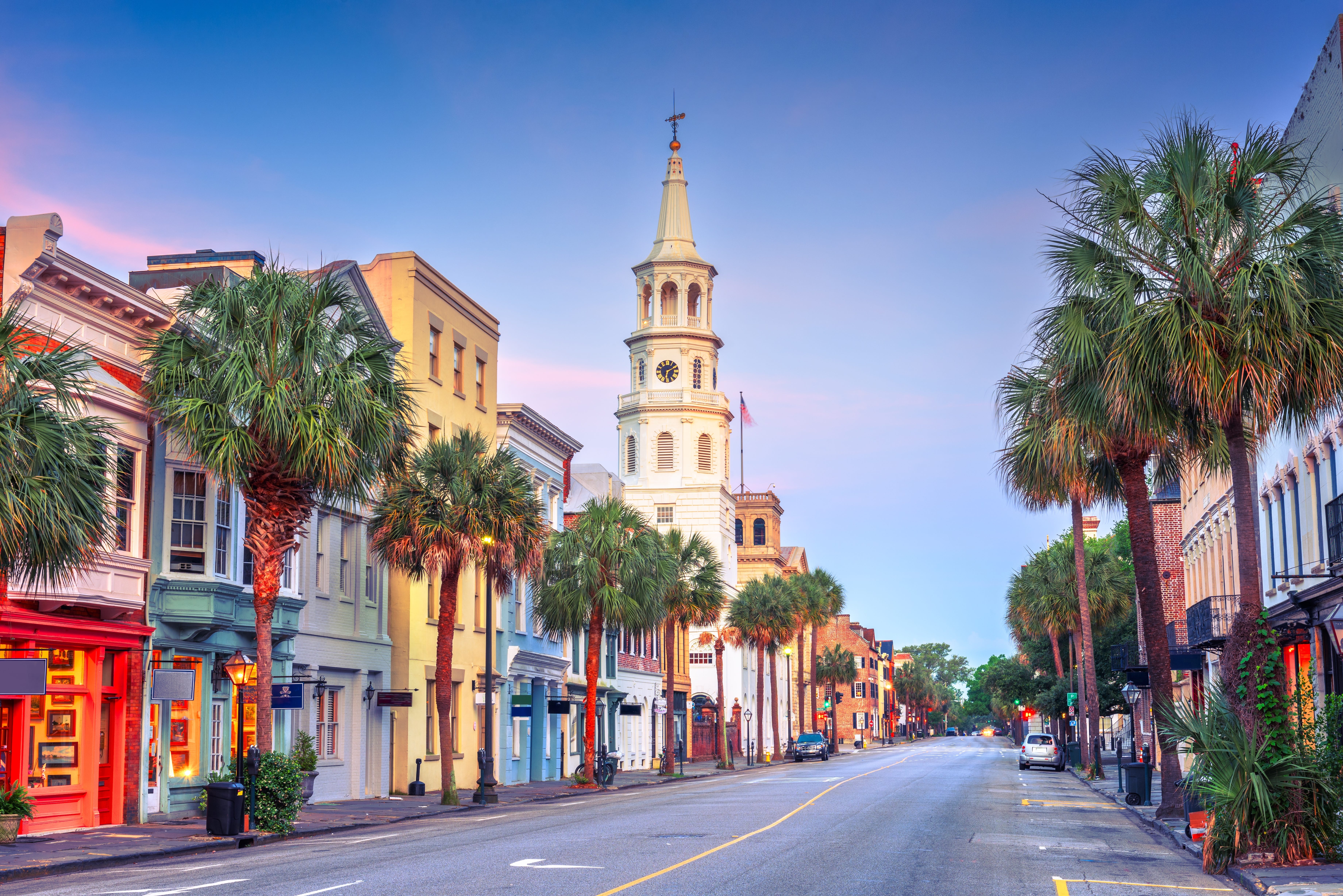
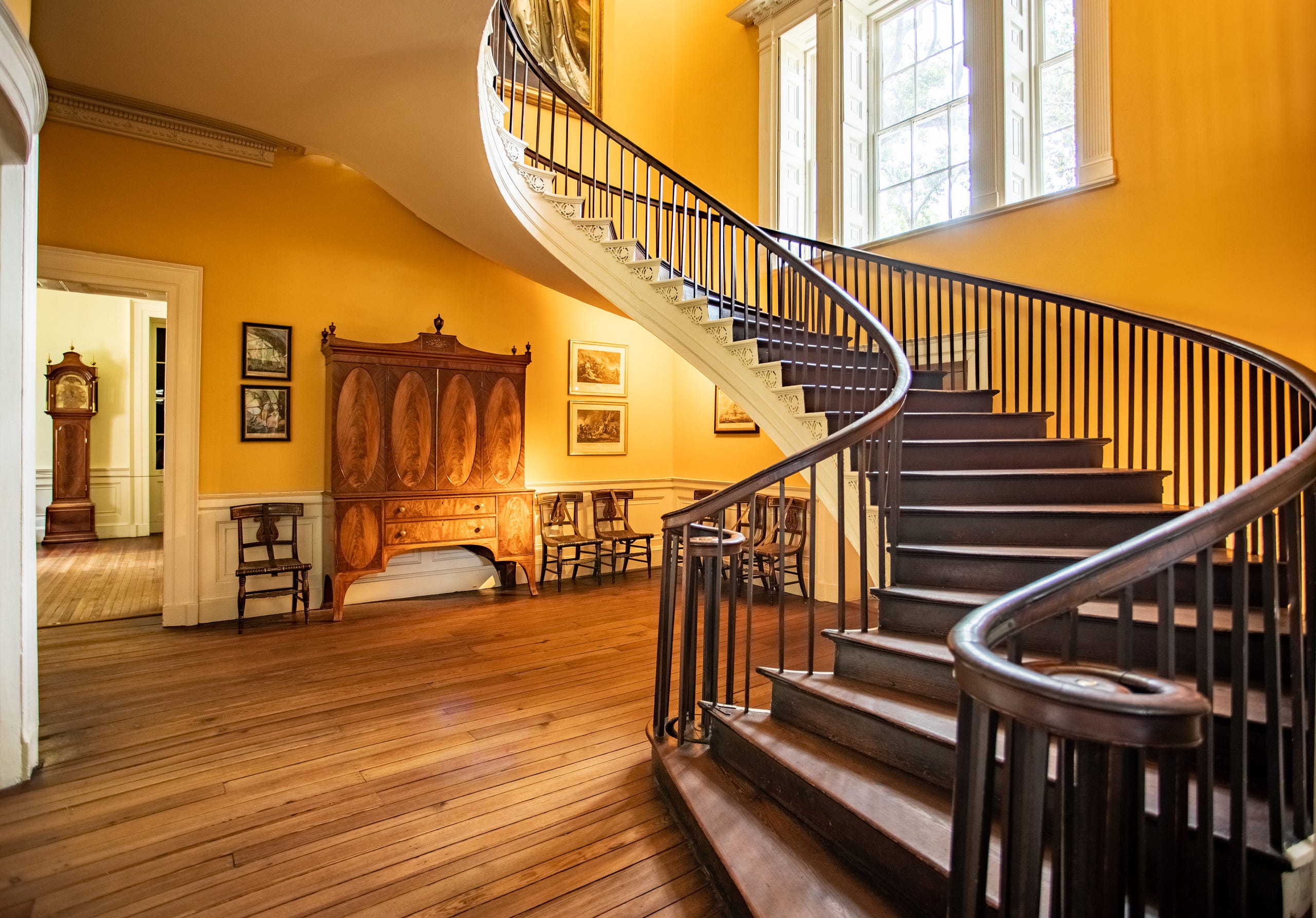
We started our wintertime tour in December where American decorative arts practically invented themselves, in the parlors of Charleston’s historic district. The city’s great house museums, the Nathaniel Russell House with its floating spiral staircase, the Heyward-Washington House where George Washington himself once slept, are not backdrops for art. They are the art. Every cornice, every plaster medallion, every hand carved mantle was a personal claim about taste and permanence, made by people who intended their homes to outlast them by centuries.
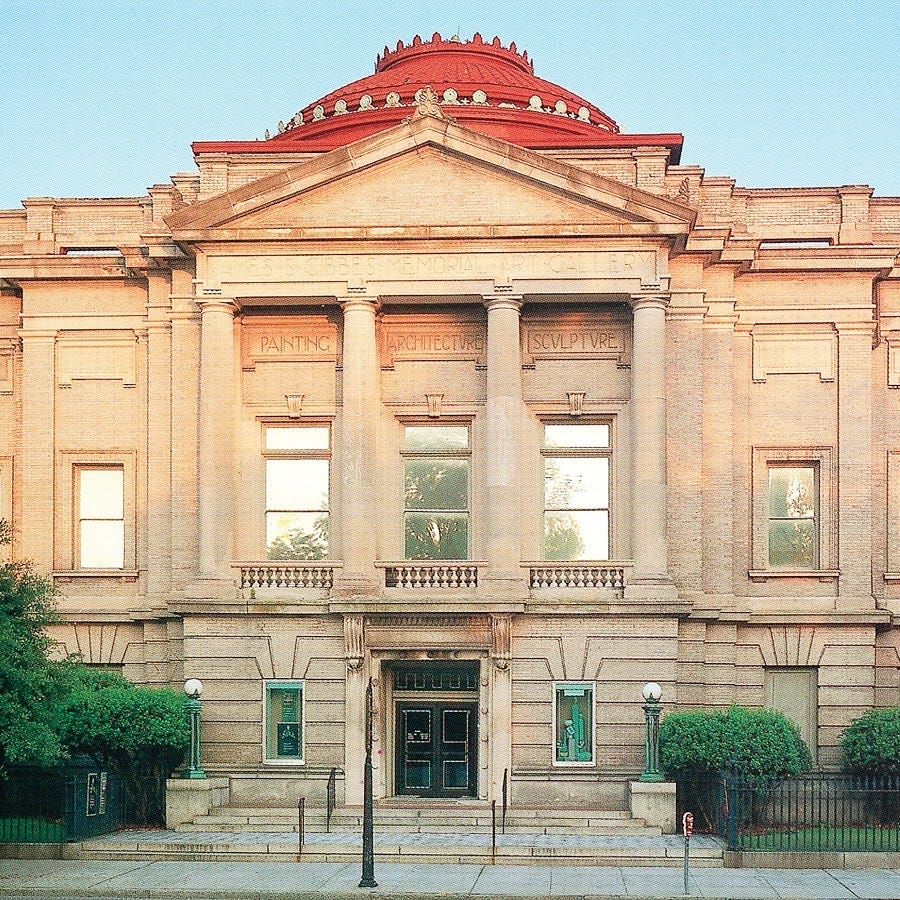
What struck us touring private residences like Lou Hammond’s, with its French decorative arts, and the homes of contemporary Charleston collectors, is how unbroken that instinct still is. The same impulse that built the Gibbes Museum’s collection of Charleston portraiture is alive in a living room on a quiet street south of Broad. In Charleston, preservation is not nostalgia. It is an ongoing act of authorship.
Detroit: civic ambition carved into stone and mural
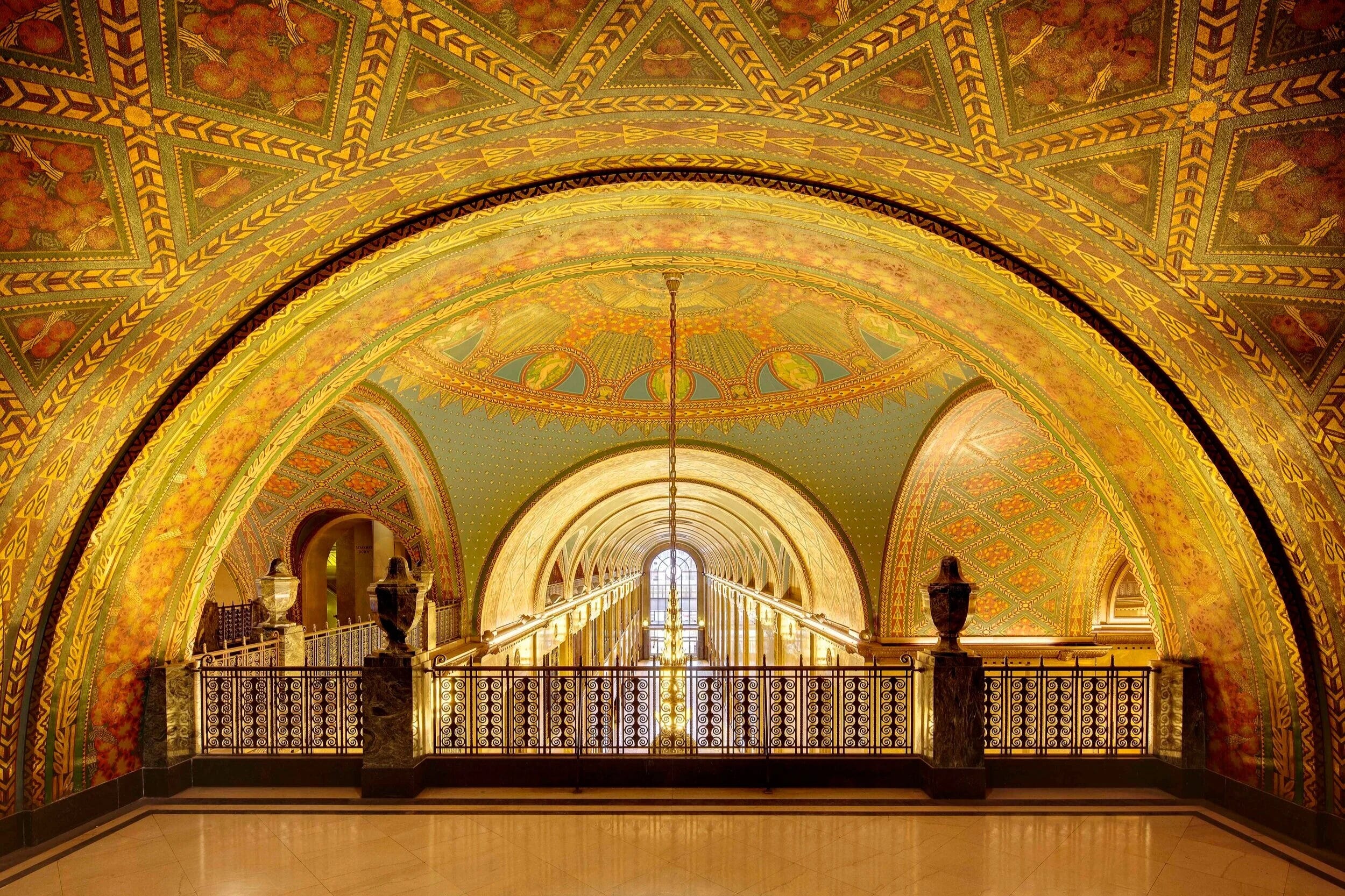
In Detroit, the visionaries were a whole generation of industrialists, architects, and patrons who believed a working city deserved buildings as extraordinary as any cathedral. The Guardian Building and the Fisher Building, both National Historic Landmarks, were built during Detroit’s boom years as unapologetic statements that industry and beauty were not opposites.
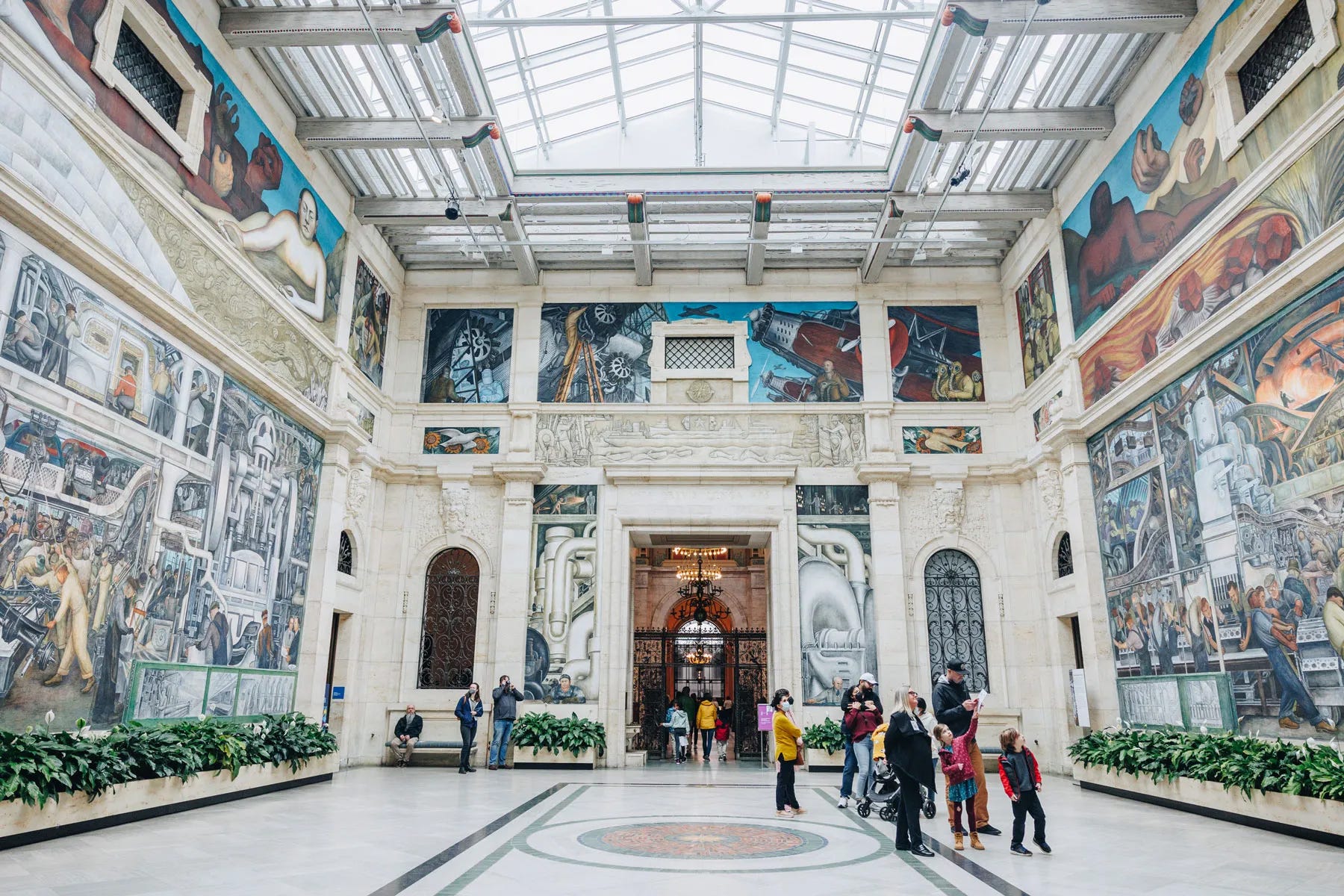
That same civic confidence carried Diego Rivera to the Detroit Institute of Arts, where his murals turn an entire room into a monument to labor and industry. It carries through to Cranbrook, where Eliel Saarinen’s house and studio were designed, quite literally, as “a total work of architecture and design,” and to the raw industrial galleries of MOCAD today. Detroit’s throughline is that art and infrastructure were never meant to be separate ambitions. The city’s current wave of galleries, from Library Street Collective to the N’Namdi Center, is simply the newest generation carrying that same conviction forward.
Santa Fe: the desert that rewired an artist’s eye
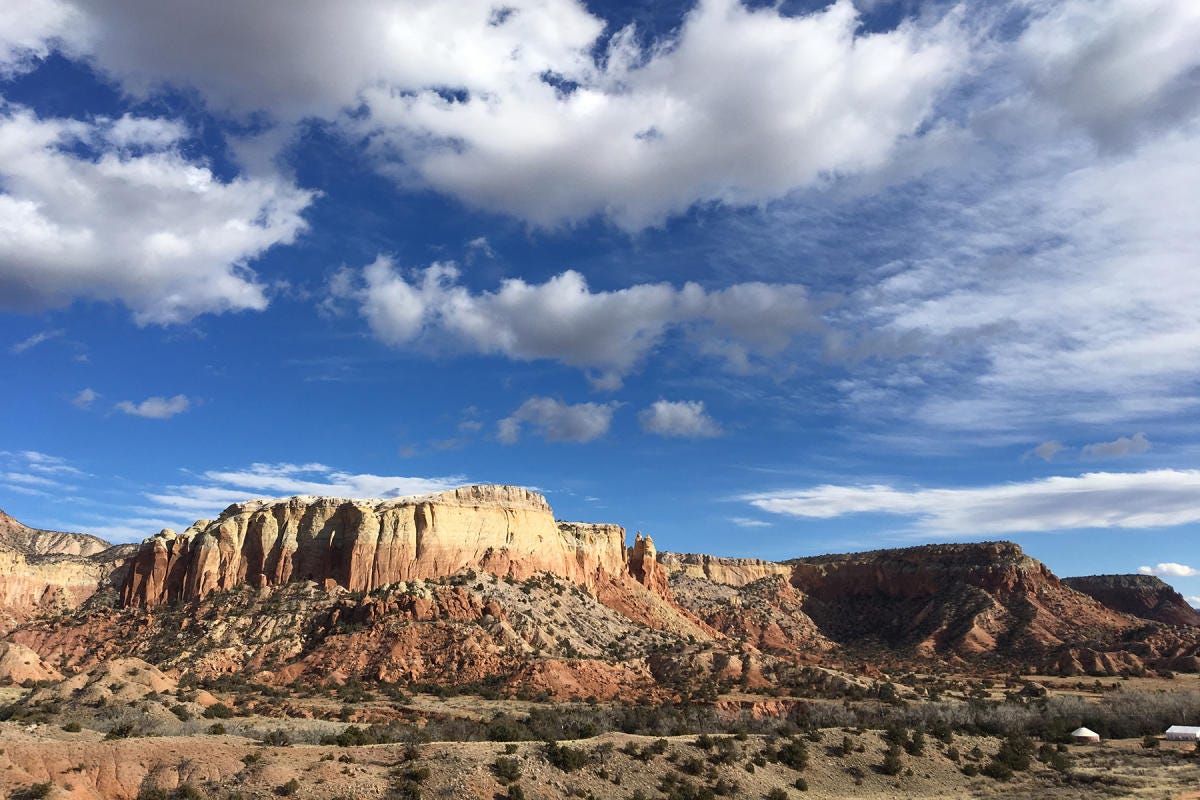
If Charleston and Detroit were about the architecture, Santa Fe is about the view. Nobody demonstrates the land-obsession pattern more purely than Georgia O’Keeffe. She first visited northern New Mexico in 1917, spent decades painting its bones, its adobe walls, and its impossible light, and eventually made it her permanent home at Ghost Ranch and later Abiquiu. The Santa Fe trip this September traces that exact arc, from the Georgia O’Keeffe Museum’s collection to her actual studio in Abiquiu to the ranch land that appears again and again in her canvases.
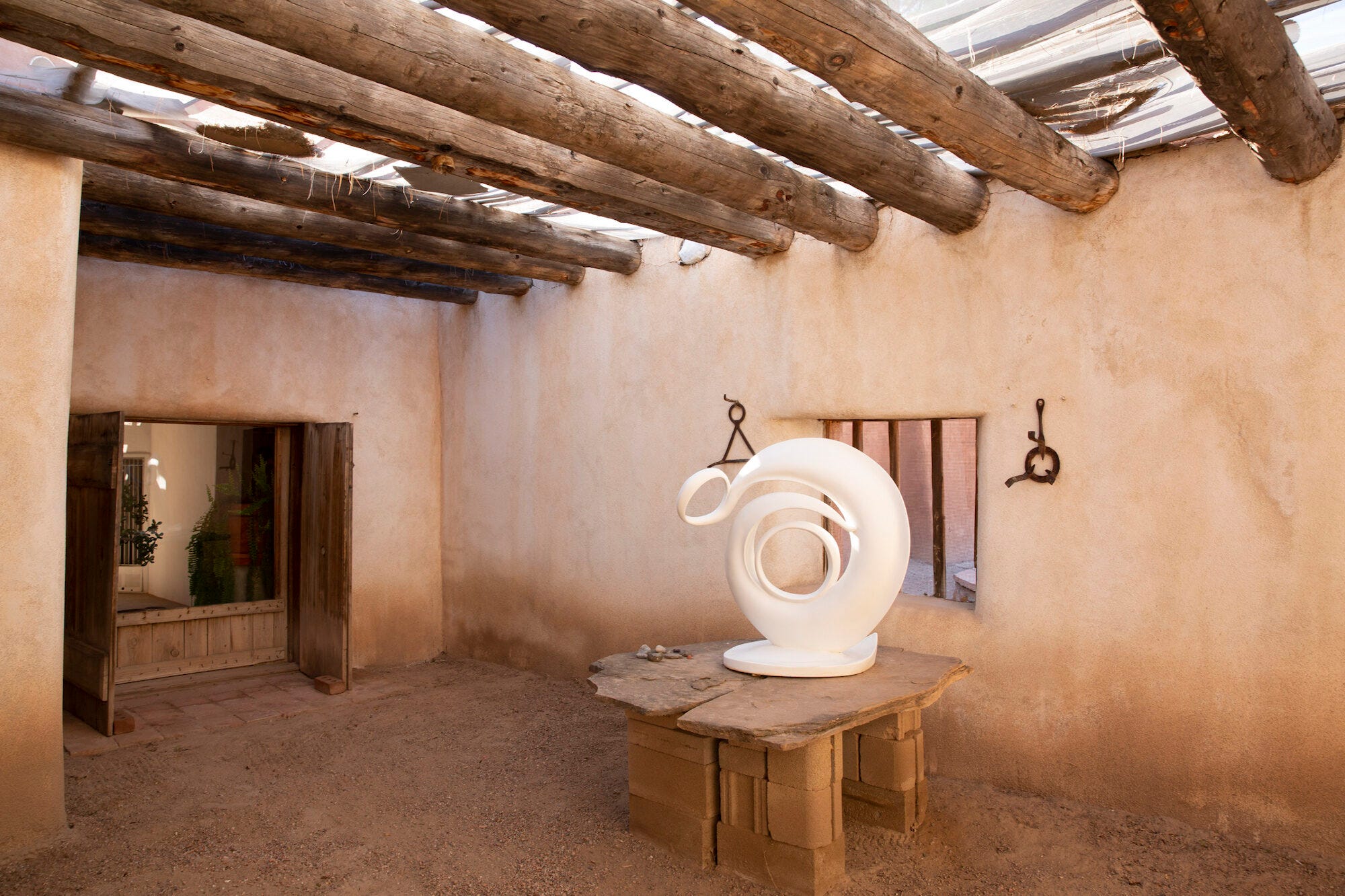
O’Keeffe’s landscape obsession sits on top of four hundred years of Spanish colonial history, which itself sits on top of Native American tradition that predates all of it. Santa Fe is not one artist’s love letter to a landscape. It is many centuries of people making that same argument, in different languages, about the same light.
Hudson Valley and New York City: the river that invented American landscape painting
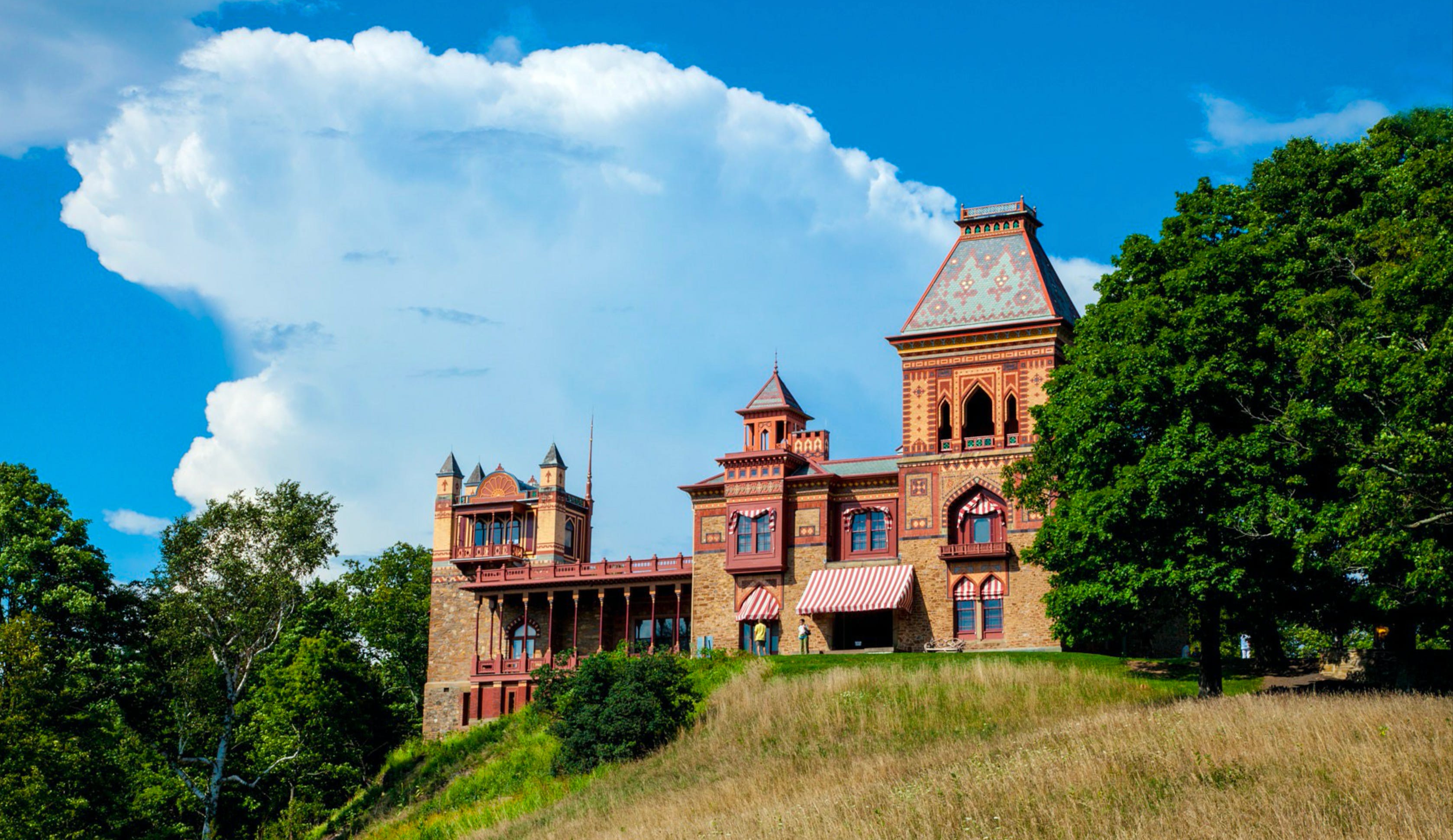
That same reverence for the view has a much older home in the Hudson Valley, where American landscape painting was essentially invented in the first place. This year marked the 200th anniversary of Frederic Edwin Church’s birth, and we spent five days following his eye up the river he made famous, starting at the Metropolitan Museum, where Church was a founding trustee, and ending at Olana, the Persian inspired home and studio he built on a bluff above the water he spent his life painting.
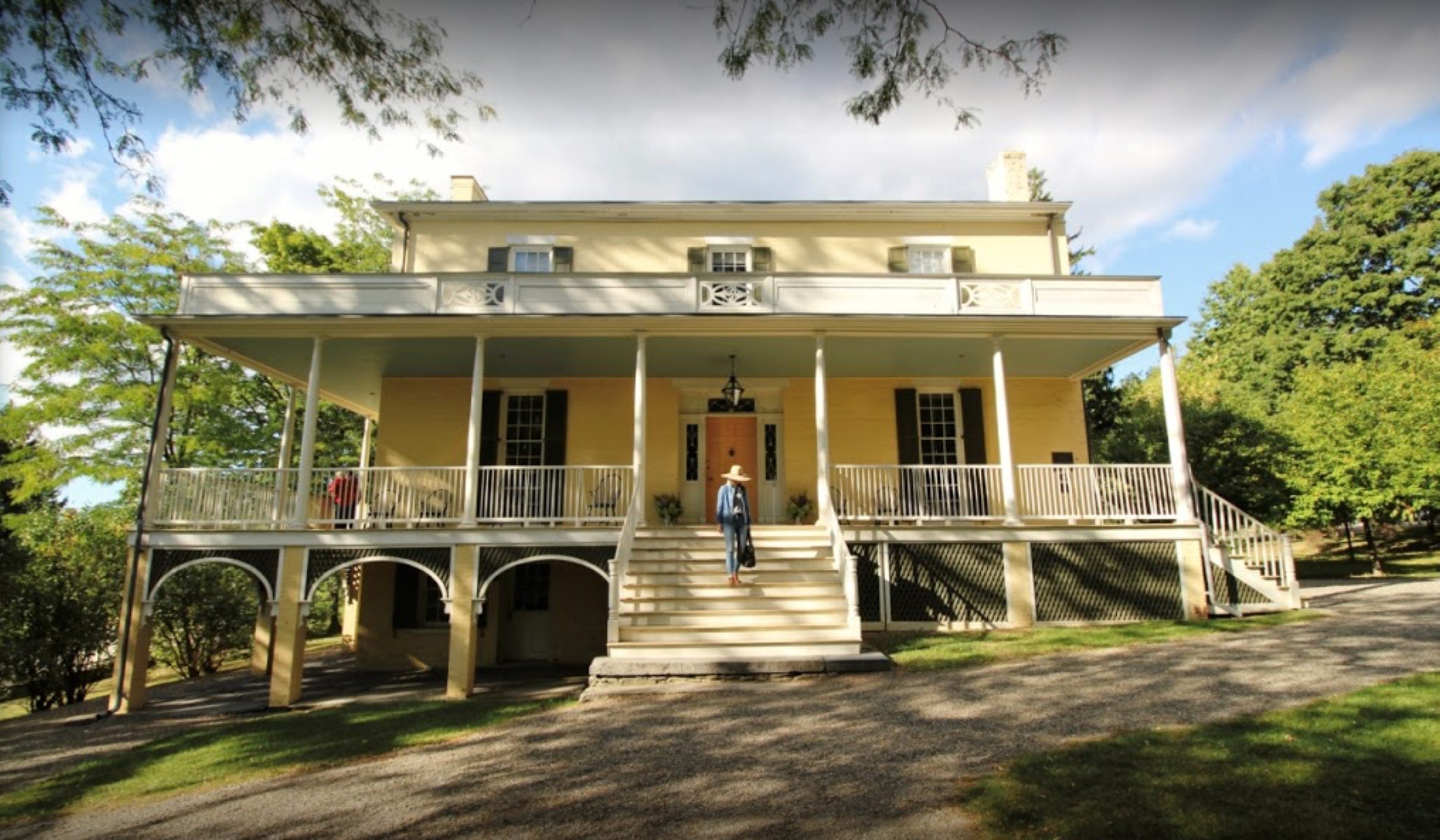
Church did not just paint the Hudson Valley. He, along with his teacher Thomas Cole at Cedar Grove, essentially invented the idea that American land was worthy of the same reverence European painters gave to the Alps or the Nile. Before the Hudson River School, American landscape was scenery. After it, American landscape was subject matter, and by extension, American identity. Standing in Olana’s window, looking out at the exact view Church composed and recomposed for thirty years, you understand immediately why patrons, curators, and collectors are still writing new chapters on his legacy in 2026.
Crystal Bridges: a founder’s vision, built at the scale of a museum
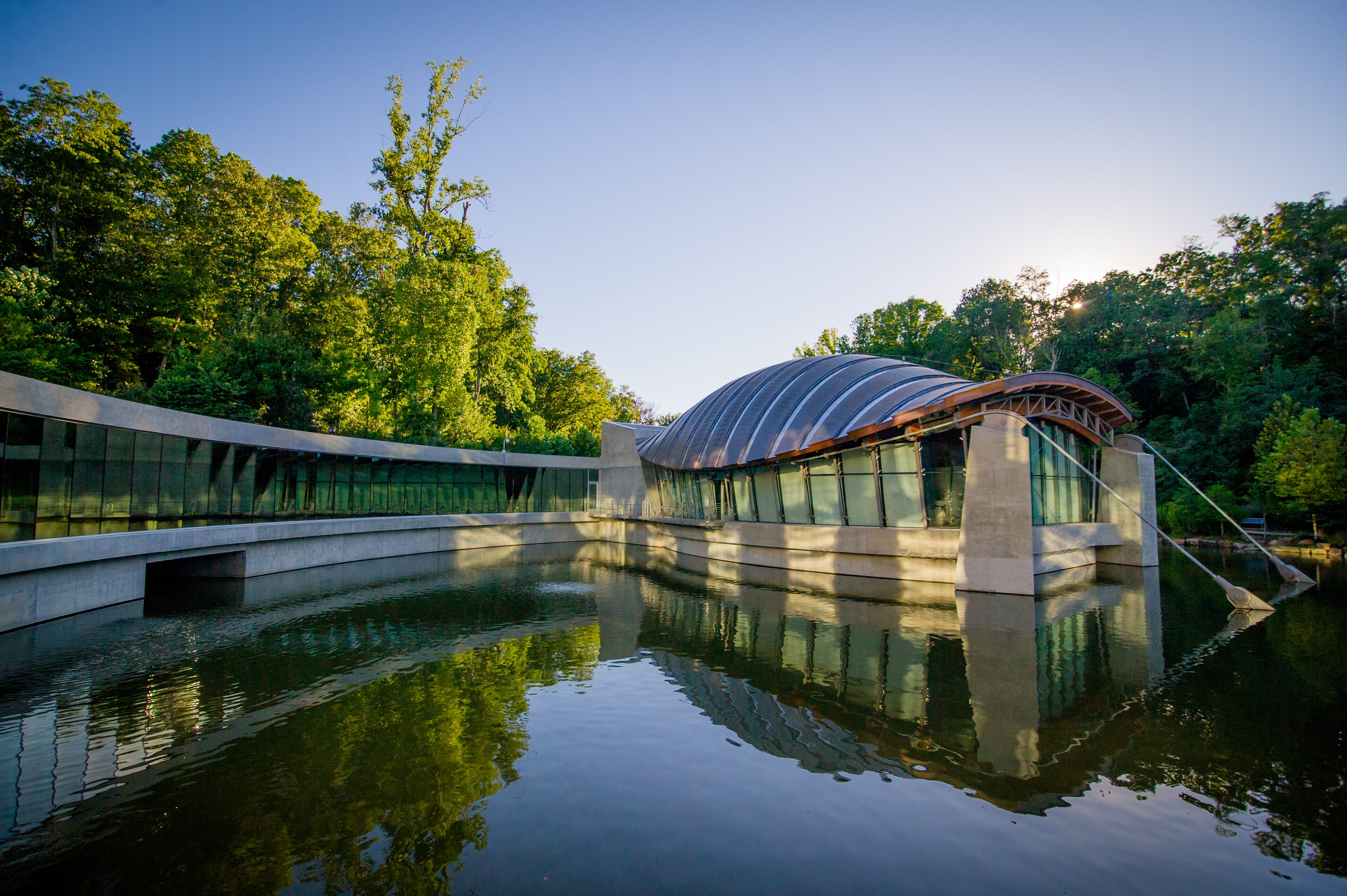
Alice Walton’s Crystal Bridges Museum is the throughline made almost literal. Rather than falling in love with a landscape and painting it, Walton built an entire architectural campus, designed by Moshe Safdie, into a wooded Ozark ravine, so that American art could sit inside the exact kind of landscape that inspired so much of it. The museum’s newest expansion adds 114,000 square feet of gallery space, and the campus now includes miles of trails, a relocated Frank Lloyd Wright house, and a James Turrell Skyspace built into the hillside.
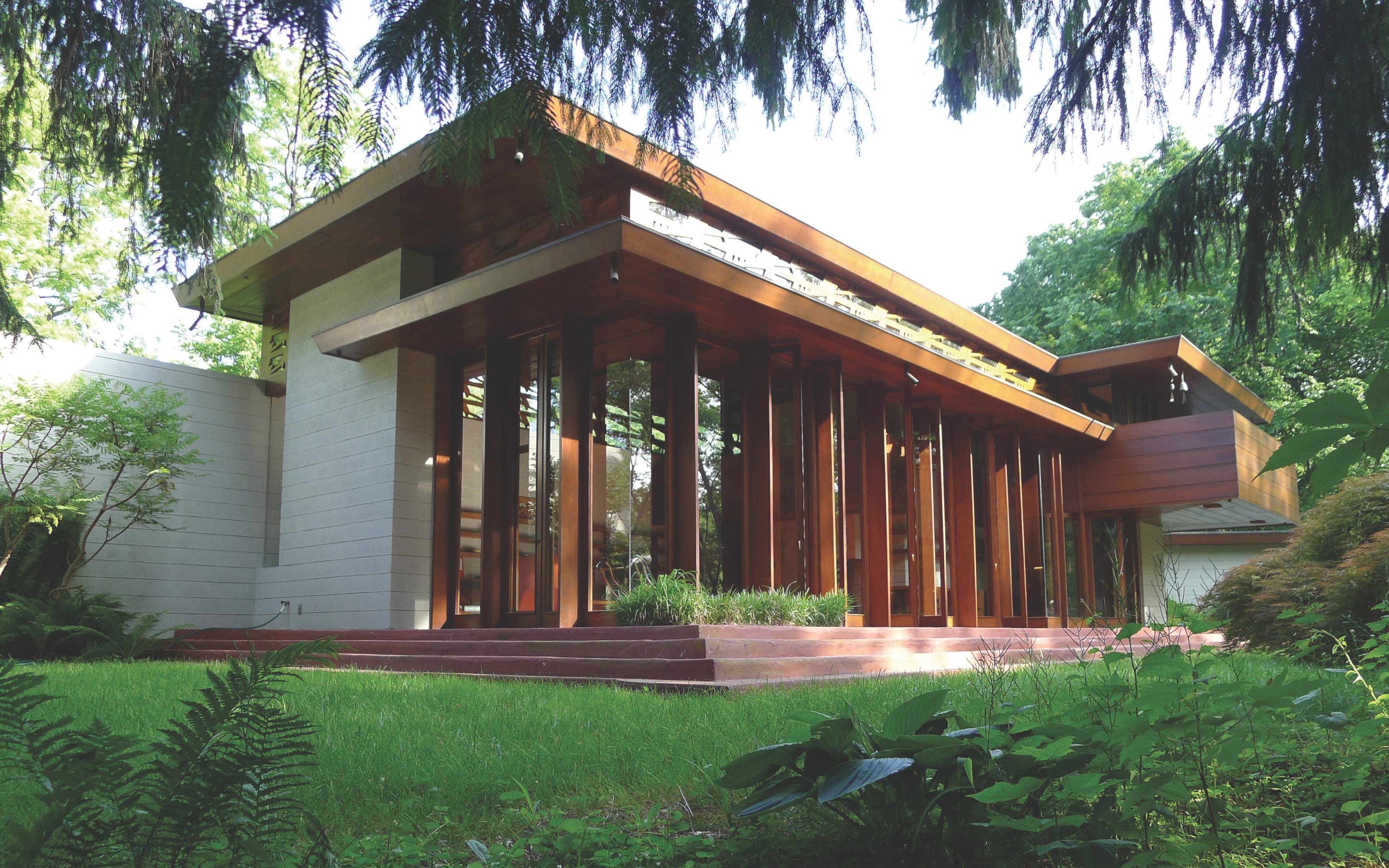
This October’s trip closes the loop nicely. We will stand inside Bachman-Wilson House, a Frank Lloyd Wright home that was quite literally rescued from flooding in New Jersey and rebuilt on Crystal Bridges’ grounds, a reminder that American art patronage has always included this specific, slightly obsessive instinct to save a beautiful thing and give it a new home in a landscape worthy of it.
The throughline
Five cities, five very different centuries, and the same underlying story. Someone sees a place clearly, more clearly than anyone around them, and refuses to let that clarity disappear. Church built Olana so his view would survive him. O’Keeffe painted Ghost Ranch until the desert became inseparable from her name. Walton built an entire museum inside a ravine. Detroit’s patrons carved civic pride into limestone. Charleston’s families are still, today, opening their front doors to prove the point.
This is why we keep going back to these places, and why there is always a reason to go again. American art was never really about canvases in white rooms. It was about people convinced that a particular patch of land deserved to be seen, and willing to spend a lifetime making sure it was.
Adventures in Art has upcoming journeys to Santa Fe (September 27 to 30), a new Fall for Art departure back in the Hudson Valley (October 5 to 8), and Crystal Bridges in Bentonville (October 21 to 23, with a second departure October 28 to 30). Spots are limited. Reach out to ryn@adventuresinart.com to reserve yours.